

Why businesses record calls, why consent rules vary and get complicated across state lines, and how to handle storage, retention, and card numbers.
From built-in transport encryption to certificate-based end-to-end, here are your encrypted email options ranked by friction, plus when a secure file link beats encrypting the message.
Your contact form is the one door you deliberately leave open. How form spam and automated abuse work, and the practical defenses that stop them.

Deleting files does not destroy them. How to wipe or crush old drives the right way, get a certificate of destruction, and recycle the rest properly.
Client calls in hotel lobbies, spreadsheets open on airplane tray tables, and hotel Wi-Fi. A calm look at what actually leaks on the road and what to pack.

Most insider incidents are careless, not malicious. How least privilege and real offboarding reduce risk without turning your office into a surveillance state.
Badge scans are a data transfer, QR codes are links you cannot read, and the demo laptop should touch nothing real. A plain guide to working a show floor.
Stripping out names is not the same as anonymous. What identifying data really is, the practical techniques, and the safest way to test a new tool.
Member data, door access at 5am, the check-in tablet, cameras and privacy, and what to do when the front desk computer dies on a Monday morning.
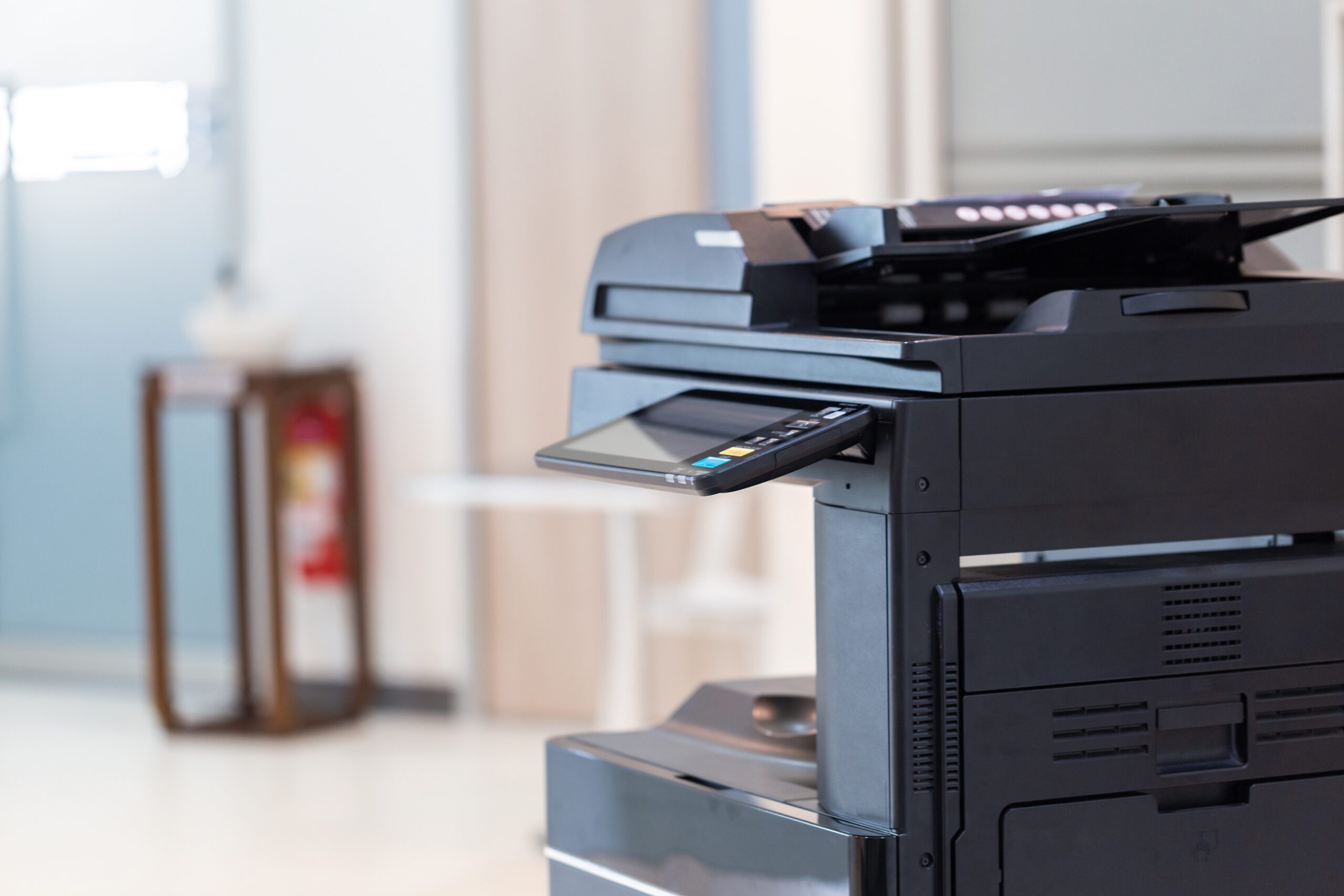
Your printer is a computer with default passwords, old firmware, stored email credentials, and a hard drive full of scanned documents. Here is why it gets skipped and how to harden it in an afternoon.